The Science

Three decades of research, carried across the world.

The method began in the sleep laboratory of Professor Vein at the I. M. Sechenov Moscow Medical Academy and the Moscow City Sleep Center, where Dr. Yakov I. Levin and Dr. Galina Mindlin worked together.

It has been developed, patented, and clinically applied ever since, studied across stress, insomnia, anxiety, depression, productivity and focus, including an operational study with a first-responder population. Presented at multiple scientific conferences including NASA, and featured by major platforms such as Good Morning America, Today Show, Smithsonian and Talks at Google.

1990s · Moscow

Dr. Yakov Levin's team turns brainwaves into piano music at the Sechenov Academy.

1997–98

A controlled study of 58 patients demonstrates the method's clinical effect on insomnia. The method is patented.

2000s · U.S.

Dr. Mindlin brings Brain Music to New York, develops new clinical applications, and works with providers across the United States.

2020 – Recent

The technology now fits into a 5-minute recording. A personalized Tunetude File is introduced, based on mood assessment and personal EEG footprint. A new patent is filed by Dr. Mindlin and her Brain Music International team.

Today

A refined platform with readings from common neurofeedback devices and a growing global provider network.

Selected Peer-Reviewed Work

The evidence base.

1998

Levin Ya. I. "Brain music" in the treatment of patients with insomnia.

Neuroscience and Behavioral Physiology, 28(3): 330–335.

View paper

2009

Mindlin G., Evans J. Brain Music Treatment: A Brain/Music Interface.

In: Introduction to Quantitative EEG and Neurofeedback, 2nd ed., Ch. 9, 225–237. Academic Press.

View paper

2011

DuRousseau, Mindlin, Insler, Levin. Operational study of music-based neurotraining for sleep, mood and daytime function in a first-responder population.

Journal of Neurotherapy, 15:4, 389–398.

View paper

2016

Mindlin G. Short-term effectiveness and acceptability of Brain Music Therapy for anxious insomniacs.

Journal of Neurology & Neurophysiology; 8th European Neurology Congress, Amsterdam.

View paper

2012

Mindlin, DuRousseau, Cardillo. Your Playlist Can Change Your Life.

Sourcebooks · 200,000+ copies worldwide.

Then & Now

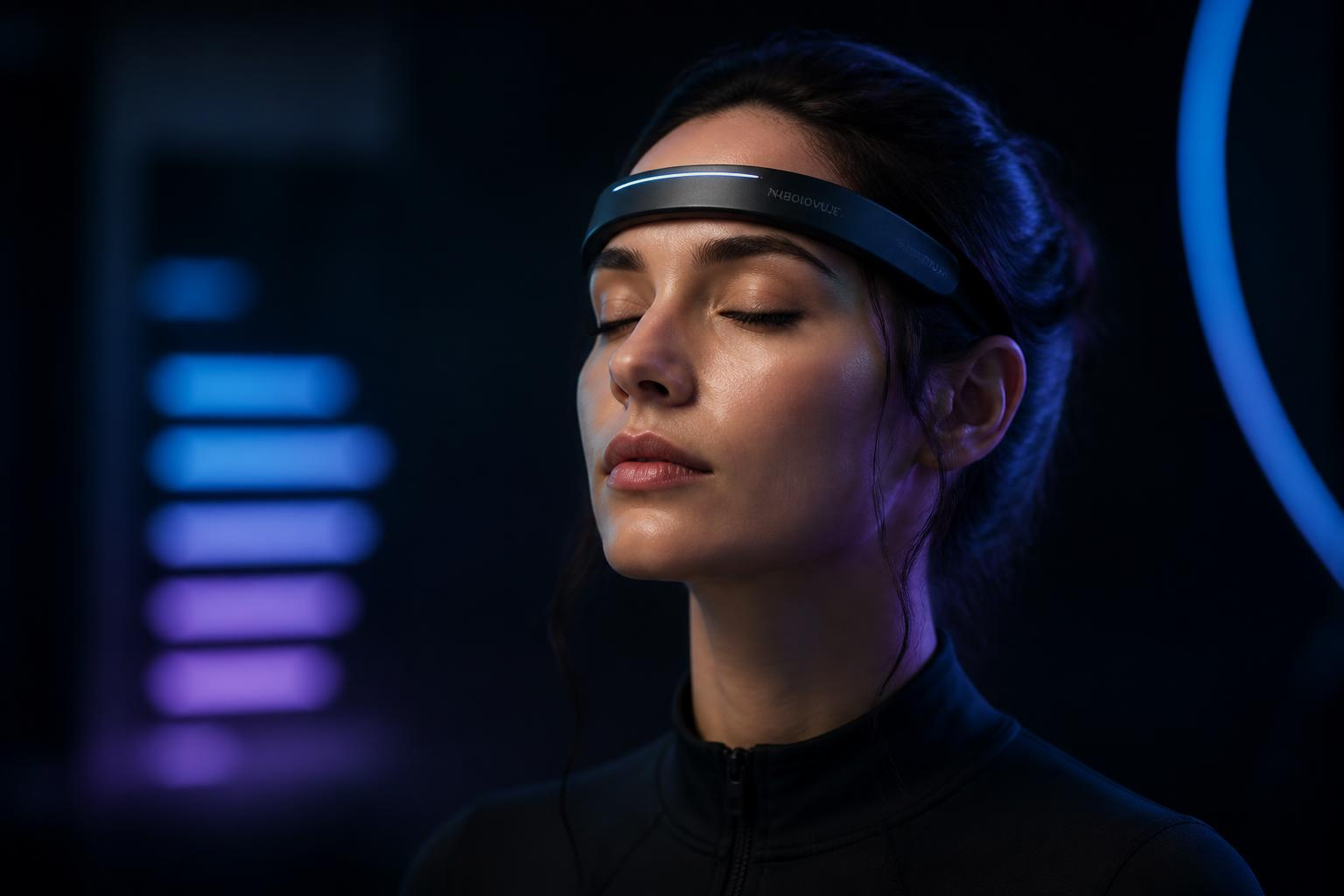
From clinical lab to a five-minute headband.

Modern minimal EEG headband sensor worn on the forehead

Now

A single elegant headband.

Today, the sensor is built into a slim forehead band: same patented science, recorded in five quiet minutes from anywhere.
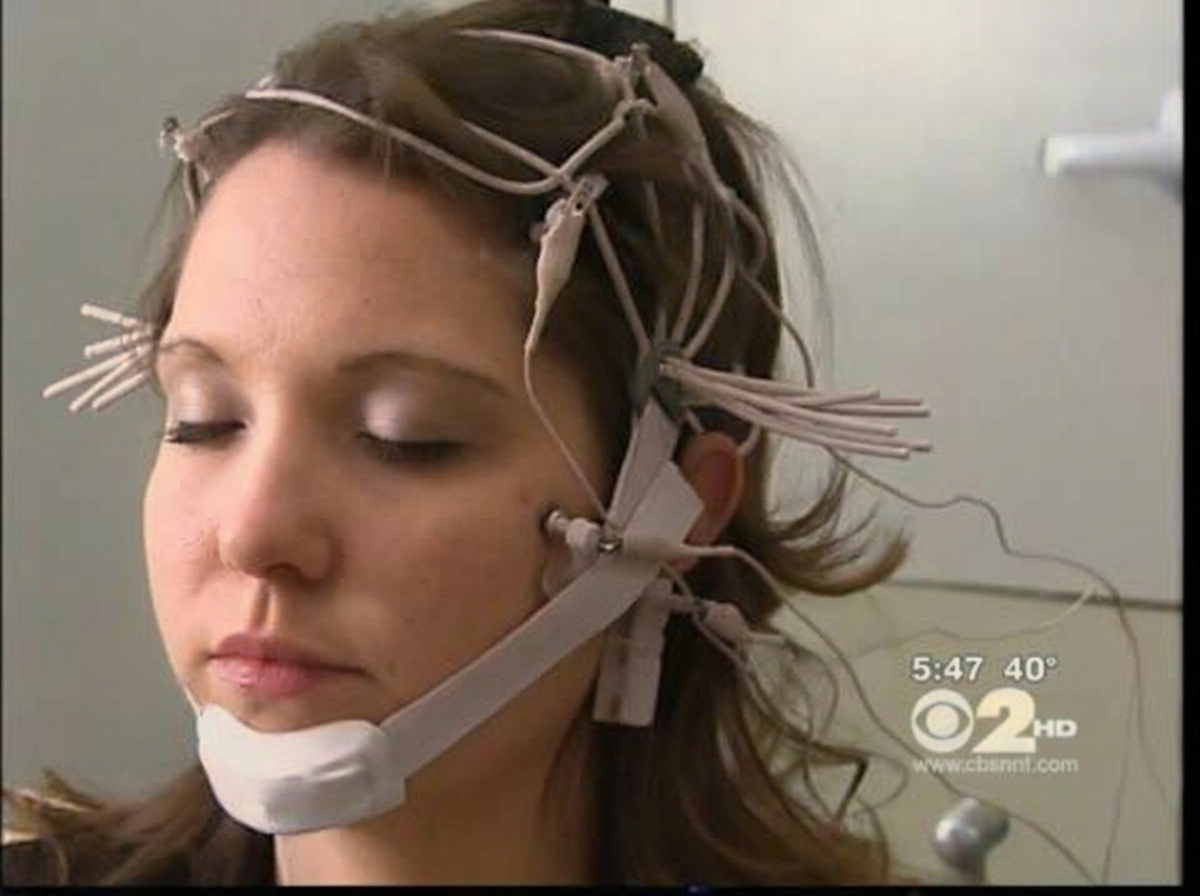
Traditional EEG recording with multiple electrodes placed across the scalp

Then

Wired caps and gel-set electrodes.

Early Brain Music sessions, featured on CBS, required a full electrode placement and a clinical setting to capture a clean signal.

25+

Years of research

5 min

Recording. Lifetime access

80+

Media features worldwide

Peer-reviewed

Sleep, focus, mood

Ready to listen to your brain?

Book a complete session and walk away with personalized music made only for you: calm, focus, and meditation, on demand.